

El Rastro is the biggest flea market in Madrid and Europe, The market, and probably the most popular in almost all of Spain, is located in the centre of the capital and is held every Sunday and public holiday throughout the year in the open air. With a wide variety of products in its stalls, both old and new, it is one of the most essential tourist attractions, as well as one of the most popular in Spain. a very common weekend plan and also, even today, for many Madrileños.
In fact, few inhabitants of the city of Madrid have ever resisted going to the Rastro on a Sunday morning, to strolling among its infinite and colourful stalls looking for old vinyls, furniture and decorative objects, toys, new and second-hand clothes... And so on until midday, putting an end to a busy morning in any of the bars nearby to rest your feet and enjoy a cool beer or a traditional vermouth. In short, this is an essential Sunday plan, both for locals and for all those who visit the city. A plan full of tradition and atmosphere that will delight anyone who enjoys shopping and the most traditional and characteristic tapas of the Iberian Peninsula.
What we can find at the Rastro in Madrid
It is said that the Rastro is the largest flea market in Europe, with up to 3,500 different stalls with all kinds of products which are spread throughout different streets of the city of Madrid, in an area of the centre where the working classes of the capital used to live. Its origins date back to the Middle Ages, where different workers (people who produced and sold clothes, furs, knick-knacks that were collected from here and there and with which the sellers earned their living...) gathered to offer a wide range of products at very good prices. However, the Rastro (as we know it today), did not originate until 1740 during the reign of Charles III.
 It was also very common to antique sales, The sale of animals (nowadays forbidden except in specialised shops), which used to take place above all in the Rastro, is one of the main signs of identity of the Rastro today (many of which are now located in physical shops on the margins of the same streets where the flea market is held). Fray Ceferino González Street or “Bird Street”.” (as it was popularly known) where animals used to be sold, with the colourful birds being very typical, especially in the 1980s.
Origin and development of the Madrid Flea Market
As we have seen, the origin of the Rastro flea market in Madrid is situated in the Middle Ages, and specifically in the 15th century, always regulated by the local government of the time and growing and evolving non-stop up to the present day, but the real origin of the Rastro as we know it would not arrive until the 18th century. In fact, the very name of the Rastro itself is believed to come from the very activity that would give rise to the market at that time, which was that of the cattle farmers who went to the slaughterhouse in the city of Madrid, from where the cattle were then transported to the tanneries. (or workshops where the hides were tanned and worked), located in and around Ribera de Curtidores street. The blood stains from the cattle being transported left a “trail” from the slaughterhouse to the tanneries, and it was this trail that finally gave the popular flea market its name.
Nowadays, the Rastro is a flea market that enjoys international fame It is a perfect market for all ages and styles, as you can find everything from music, books and clothes to furniture, handicrafts, gadgets of all kinds and the antiques that we saw earlier.
 However, if we are looking for something in particular, it is good to know that the products are also distributed a little bit by zones, the most outstanding ones being the following:
- Plaza de Cascorro. A very popular area, known above all for housing the largest clothing collections in the whole of the Rastro.
- San Cayetano Street. Also known as “painters” street", this is the area where especially art-related goods and products can be found, and there are already many permanent stalls and shops selling drawings and paintings.
- Plaza del General Vara de Rey, Plaza de Campillo del Mundo Nuevo and Rodas Street. These areas are very much focused on comics, stamps, magazines and stickers. This is why children and not-so-children often come here to exchange cards, look for famous stickers or find some special collectibles. In addition, in the Plaza del General Vara de Rey you can also find we can find an alternative market on Saturdays., specialising mainly in handicrafts and antiques and known as the “Saturday Flea Market”.

- Carnero Street and Carlos Arniches Street. If you are a fan of reading and of antique, special or collector's books, don't miss these two streets, as this is where you will find the greatest variety of these types of products.
- Mira el Sol Street. In this area you can also find films and objects related to the cinema.
- Ronda de Toledo. This is also a very popular area where you can find the best music and vinyl items of all times.
Location and opening hours of the Madrid Flea Market
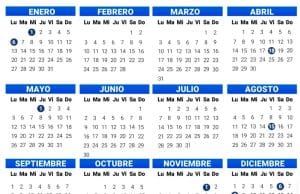
The Flea Market is organised every Sundays and public holidays throughout the year, from 9.00 a.m. to 3.00 p.m., in the district of La Latina. It starts in the Plaza de Cascorro, presided over by a statue of the soldier Eloy Gonzalo, and from there it runs downhill towards the Manzanares River. The main street along which the Rastro runs is the Ribera de Curtidores Street (from which, as we have seen, the name of the street market comes from), ending in Embajadores Street itself.
 Due to its large size (some 3,500 stalls), the Rastro runs through different streets and areas of Madrid, and there are several Metro lines that you can take to get there: Line 1 (Tirso de Molina or Sol), Line 2 (from Sol or Ópera), Line 3 (Embajadores, Lavapiés or Sol) and Line 5 (Latina, Puerta de Toledo or Acacias).
When it's time to close the stalls at this flea market in Madrid, which happens at 3pm, it's a good time to take a break in one of the many bars in the area, and rest a little bit while you enjoy typical tapas in Madrid and an incredible ambience after a visit to Madrid's most famous street market on any given Sunday. Whether you decide to buy something or not... there is no better plan!