

There is always an excuse to come and stroll around Madrid. Its cultural, gastronomic and leisure offer is endless. At any time of the year there are things to see or visit. It doesn't matter whether it's summer or winter, whether it's during the week or at the weekend, Madrid is open to visitors 24 hours a day, 365 days a year. If you are thinking of visiting the capital and you don't have much time to spare, we suggest a weekend trip to the capital. Because you can always stretch Saturday and Sunday into three days, or maybe two and a half.
Before you come, look at your priorities, your tastes and your interests. Are you ready to discover a lot of different plans? Here we go...
Day 1
How about starting our visit with a traditional breakfast? We have several days of walking ahead of us, so don't be afraid of a good portion of churros with chocolate, as we'll burn off the calories quickly. Come to the Chocolaterie San Ginés, located in the Pasadizo of the same name, between Calle Mayor and Calle Arenal: it's a Madrid classic!

Tomorrow's plans
As we are in the heart of the city centre, we start our visit at the kilometre Zero of the capital. In front of the clock in the Plaza de Sol is the plaque on the ground that marks this point as the very centre of the country and marks the origin of all the roads that pass through Spain.
Barrio de Las Letras
It is so called because it was where the writers of the Spanish Golden Age lived. It is also a reference point for shopping, culture and leisure in the capital.
Santa Ana Square

We start from this square, in the heart of the neighbourhood. Here we find two statues dedicated to Lorca and Calderón de la Barca. In the middle, the Spanish Theatre, which was the Prince's corral de comedias. The best plays of the Spanish Golden Age have been performed here. Today it is still a reference point for the best theatre.
Lope de Vega Museum
It would be logical to find the house where Lope de Vega lived in the street with the same name as the playwright, but this is not the case. The museum is located at 11 Cervantes Street. The writer lived here for 25 years. Guided tours are free of charge and highly recommended!

Convent of the Trinitarians
At 18 Lope de Vega Street we find this building where Miguel de Cervantes was buried in 1616. Admission is also free.
Teatro de la Zarzuela
If you like opera, don't miss any of the performances that are premiered in this theatre. Buy your tickets in time to enjoy one of the zarzuelas on the bill.
Madrid Athenaeum
Nearby is this place where artists, scientists and writers have been meeting since 1835. The Athenaeum symbolises the free expression of ideas and opinions. It can be visited freely.
We continue through the neighbourhood, which constantly reminds us of 17th century literature. On the ground you can read fragments of works by Cervantes, Lope de Vega, Góngora, Quevedo, Tirso de Molina,... If you go down Calle Huertas, Santa Isabel or Lope de Vega you will reach the Paseo del Prado.
Evening plans
Here you will find the most important museums in Madrid. If you are a lover of painting, choose one of the three we suggest because the visit will take you at least a couple of hours.

The Reina Sofía Museum. This contemporary art museum is located in Plaza de Atocha. Works by 20th century artists such as Picasso, Miró, Dalí, Juan Gris,... are displayed in the rooms of this art gallery, considered a reference point for avant-garde art.
The Thyssen-Bornemisza Museum , next to Neptune Square. You can see nearly 1,000 works of art; from Tintoretto, Caravaggio, Dürer, Rubens, Van Gogh, Gauguin or Kandinsky. It is considered one of the best private collections of paintings in the world, and it is in Madrid!
A little further up the hill from this museum, we find the Prado Museum. A must-see. Leave a couple of hours free in your tour of Madrid to visit this art gallery, considered one of the best in the world. Next year it celebrates its 200th anniversary and the museum is preparing a lot of activities to commemorate this anniversary. At least select the Velázquez and Goya rooms, the museum's must-sees. You can't leave Madrid without seeing Las Meninas or some of the marvellous paintings by the court painter of Charles IV.

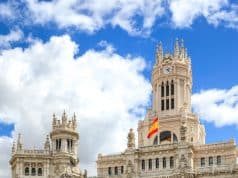
If museums don't particularly appeal to you, pass by this avenue and head straight for the Plaza de Cibeles. See one of the most photographed statues in the city. The goddess on a chariot pulled by two lions. In front, the Palacio de Cibeles or Palacio de Comunicaciones. Go up to its terrace and watch the sunset over the Madrid skyline.
From here, take the opportunity to walk up Alcalá Street to the Gran Vía, one of Madrid's main thoroughfares. Restaurants, theatres and fashionable shops along its more than one kilometre length. The main historic buildings, in neoclassical style, that you will find along the way are, the Bank of Spain, Chicote museum building, the Military Casino, today converted into the Army Cultural Centre (no. 13), the Circle of the Mercantile and Industrial Union (no. 24), the Telefónica building, in no. 32 we find the former Madrid-Paris department store with its characteristic sculpture of the Phoenix bird crowning the building, or the Capitol building in the middle of Plaza de Callao. The Gran Vía reaches the Plaza de España. Here the street changes its name to Princesa.

Evening plans
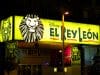
Make the most of your time on Gran Vía and book tickets in advance for some of the musicals that are a hit in Madrid. Arriving from Broadway or London's West End, we can find shows such as West Side Story, Billy Eliot, The Lion King, Anastasia and the latest to hit theatres, The Doctor. Here are the times, prices and locations of the best premieres in Madrid right now.

Day 2
Today it is time to visit the oldest part of the city, where the Villa de Madrid was born. The Austrias quarter.
Tomorrow's plans
We can spend the whole morning visiting this neighbourhood, including its squares, markets and the Royal Palace. So set aside at least a couple of hours to tour the halls and rooms of the kings who lived here.
Austrian Quarter

Plaza Mayor
This is the starting point of our visit to the most traditional part of Madrid. With more than 10 entries, the most popular is the Arco de Cuchilleros. From here we enter the streets where we find taverns converted into caves and typical Madrid tapas bars. The best thing to do is to wander through its narrow streets and squares full of history.
San Miguel Market
Traditionally a food market, it has now been converted into a gastronomic meeting point. Some fish, fruit and vegetable stalls have been preserved. But what is really popular are the food and drink stalls with tables to share. Here you can try fresh seafood, the best cheeses and freshly-cut Iberian ham.

Plaza de la Villa
It is a pedestrian square, located a few metres from the San Miguel market. It has been the seat of the Town Hall since the 18th century. But since 2007, the mayor's offices have been moved to the Palacio de Cibeles.
The Flea Market

If your visit falls on a Sunday, don't hesitate to come and visit us to the flea market. This open-air flea market with more than 400 years of history starts in the Plaza de Cascorro. Here you can find everything. You will be surprised by the stalls and antique shops that stretch as far as Ribera de Curtidores, next to the Puerta de Toledo. Some streets, such as Carlos Arniches or Carnero, specialise in selling second-hand books. Search and rummage around as much as you can because you're sure to pick up a souvenir from this popular market.

Take the opportunity to have a drink in one of the bars along the Rastro. The downside is that they tend to be very busy on Sundays. Otherwise, head to Plaza de la Cebada, known as La Latina, a meeting point for the locals for a midday or evening snack.
Evening plans
Royal Palace and Sabatini Gardens

Also known as the Palacio de Oriente, this is one of Madrid's must-see sights. It was the official residence from Charles III to Alfonso XIII. Among the most important rooms you can visit are: the Throne Room, the Columns Room, the Gala Dining Room, the Stradivarius Room, the Royal Armoury and, more recently opened to the public, the Royal Kitchen. Here are the details of visiting hours and prices.
Outside the palace you can stroll around its impressive gardens, free of charge. Next to it are the so-called Sabatini and just behind those of the Campo del Moro, much larger and lusher.
Plaza de España
Here you will find the famous monument dedicated to Cervantes with Don Quixote and Sancho Panza. It is a square with gardens and fountains, always full of tourists and locals.

Spain Building. At 117 metres high, it is the eighth tallest skyscraper in the city. It is currently being renovated into a four-star hotel.
Madrid Tower One of the city's emblematic buildings. It has 32 floors and is 142 metres high.
Temple of Debod

Who would have thought that in the heart of Madrid you would find an authentic Egyptian temple? Well, indeed, next to the Plaza de España is this jewel that arrived in Spain in 1972. It was a gift from the Egyptian government, as a token of gratitude for the help received in the transfer of the Abu Simbel temple and the construction of the Aswan canal. Admission is free. Until further notice, it is currently closed to visitors, due to ongoing air conditioning works.. We recommend arriving late in the afternoon, as from here you can watch a spectacular sunset, with the Casa de Campo in the background.

Evening plans
From the Gran Vía- Princesa- Plaza de España axis, we're off to another of the nightlife districts par excellence.
Malasaña

The Manuela Malasaña neighbourhood is just behind Gran Vía. Here you will find cafés, bars, pubs, century-old taverns, restaurants and nightclubs that transform Madrid's nightlife. Among the legendary venues are The Milky Way, Tupperware, San Mateo Six, Coconut or Wharf73, with electronic music. If you are in the mood for more tranquillity there are the classic cafés such as Manuela Malasaña, La Palma, Café de Ruiz, Café Comercial or La Paca Café Bar.
Here you will discover that Madrid doesn't sleep. What about you?
Day 3
You can't leave Madrid without first passing through the park at El Retiro and another essential neighbourhood, Chueca, which we will leave for after lunch and as a shopping option.
Tomorrow's plans
El Retiro

Come to the capital's green lung: the Parque de El Retiro. You can take a boat ride on the main pond or lose yourself among the sculptures, fountains and hundreds of trees and shrubs that populate this wonderful park. There are also other more cultural activities in the Casa de Vacas, Velázquez Palace and in the of Cristal. Not forgetting its terraces where you can have a drink if the weather is good.
Evening plans
Opposite the park you will find the city's most emblematic monument: the Puerta de Alcalá. From here there are views worth photographing. Stand at the front, looking towards the Plaza de Cibeles. You will see Calle Alcalá, which goes up towards Sol and forks with Gran Vía. Two of the main arteries of the capital.

Then go down Alcalá street, cross the Cibeles fountain, pass by Banco de España, turn right and you will reach the another favourite neighbourhood of the Madrilenians: Chueca. You can enter through any of the streets that lead to Gran Vía, Barquillo or further up, Hortaleza or Fuencarral, the latter being pedestrianised and the most commercial of all.
Chueca neighbourhood. Alternative shopping
Malasaña was the reference point of the famous Movida madrileña in the 1980s. After a few years as a decadent and somewhat conflictive neighbourhood, today it is the city's most alternative and modern shopping area. A neighbourhood open to all tastes and trends. This is the birthplace of the LGTD movement.

It is interesting to stroll through its narrow streets where you can find tattoo shops, comic shops, second-hand bookshops and shops selling retro-style clothing and footwear. If you are a shoe fanatic, you have to go to Augusto Figueroa Street, where you will find the largest number of shoe shops. In the same street you will find San Antón market. A traditional neighbourhood market now converted into a gastronomic reference point and a meeting point for tapas or a drink.
Don't forget to take a walk through Fuencarral and Hortaleza. With plenty of atmosphere in the mornings and evenings thanks to the large and varied range of shops. All the major brands have opened their doors here.
One last recommendation. Visit the Horno San Onofre, famous for its roscones de reyes. And if you have coeliac disease or would like to try some good gluten free pastries, go to Celicious, You will be surprised by their cakes and cupcakes. You will leave with a good taste in your mouth.
Madrid is irresistible What makes you want to go back?